
Writing assignments is part of every student’s life. For many, the challenge lies in finding a simple yet effective way to complete them without stress. At Uni Assignmenthelp, we support students in the UK with academic writing services, but we also want you to develop strong writing skills. Below, I share ten practical tips that can guide you through the writing process. These steps are clear, direct, and easy to apply.
Start with a Clear Plan
Every good assignment begins with planning. Create an outline before you start. Break your task into sections: introduction, body, and conclusion. This helps you stay on track and ensures your work has clarity and coherence.
Understand the University Guidelines
Always check the university guidelines or assignment rubric. These documents explain the assignment format, word count, and assignment scoring criteria. Missing out on these basics is one of the most common assignment mistakes students make.
Do Proper Research
Strong writing comes from strong research. Use learning resources like journals, books, and trusted websites. Take notes and link each source to your topic. This makes it easier when adding citations later.
Create a Draft First
Never try to perfect your assignment in one go. Write a draft first, then refine it. Drafting allows you to focus on your writing flow and get your ideas down before editing.
Write a Strong Introduction and Conclusion
Your writing introduction and conclusion carry great weight. The introduction should give context and present your thesis statement. The conclusion should summarise key points and answer the main question. Think of it as opening and closing your argument with impact.
Follow a Proper Essay Structure
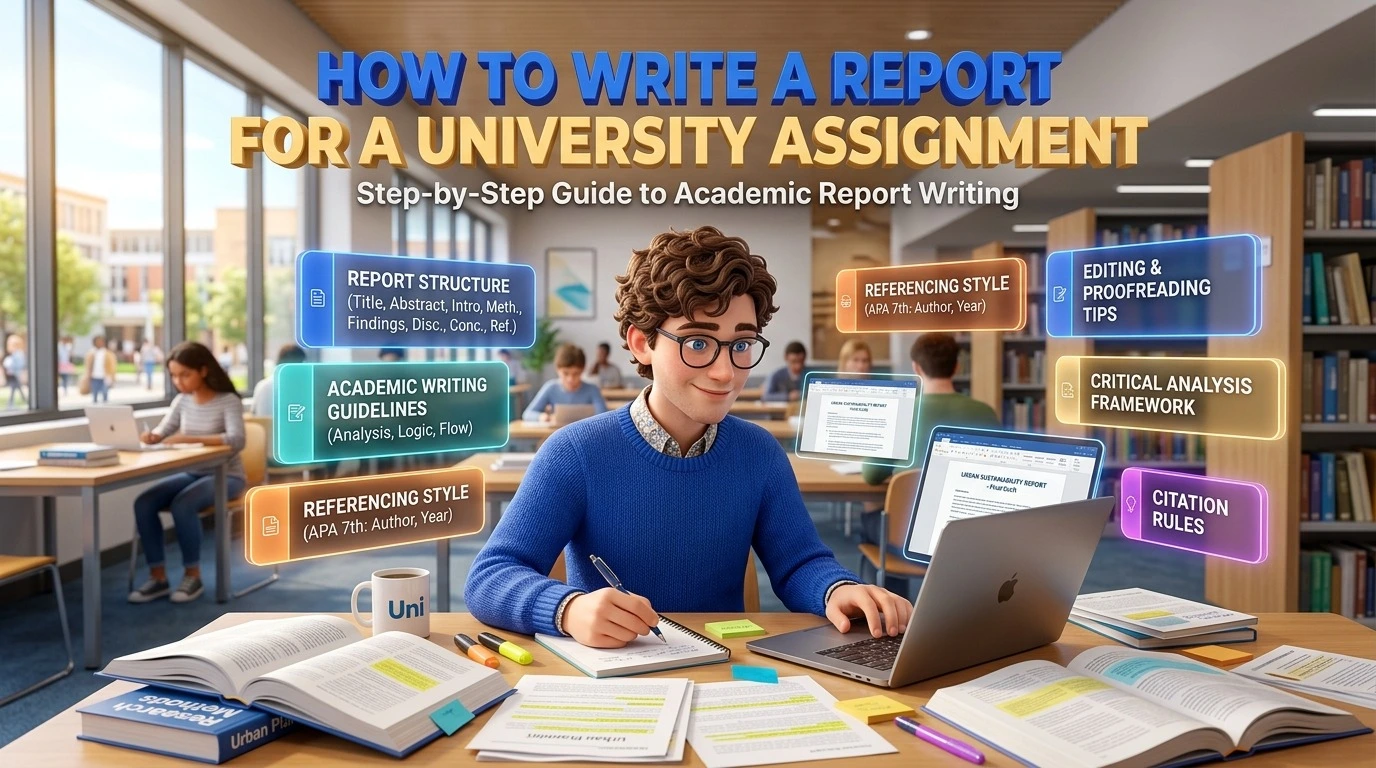
A solid essay structure includes:
- Topic sentence for each paragraph
- Evidence and critical analysis
- Smooth links between ideas
This structure improves content organisation and makes your work easy to read.
Read more: 7 best proofreading tips and techniques by experts
Use the Right Referencing Styles
Assignments often require specific referencing styles such as APA, MLA, or Harvard. Proper referencing shows academic integrity and avoids plagiarism. Tools like Citation Machine can help format references correctly.
Proofread and Edit
Editing is as important as writing. Use proofreading techniques such as reading aloud, checking grammar, and using tools like Turnitin, Grammarly, or similar writing support tools. Pay attention to language accuracy and sentence flow.
Manage Your Time Well
Good time management for writing keeps you from last-minute stress. Create a timeline: research, drafting, editing, and assignment submission. Use a planner or calendar to track deadlines.
Ask for Feedback
Before final submission, ask a peer or mentor for feedback. Peer review highlights weak areas and improves the writing process. This step is key to long-term academic success.
Extra Student Tips
- Keep an assignment checklist to stay organised.
- Use a plagiarism checker to ensure originality.
- Take breaks during writing to refresh your mind.
- Focus on improving writing skills with practice.
- Review your work against the assignment rubric before submission.
Final Thoughts
Writing assignments does not need to feel like a heavy task. With planning, focus, and the right assignment writing tips, you can build confidence and write with ease. At Uni Assignmenthelp, we provide university assignment writing services that guide students through each step, from brainstorming to submission. Whether you need help with coursework, an essay structure, or academic writing support, we are here to ensure your journey leads to academic success.